Medical Tourism in South Korea: 7 Essential Tips for Choosing the Right Hospital
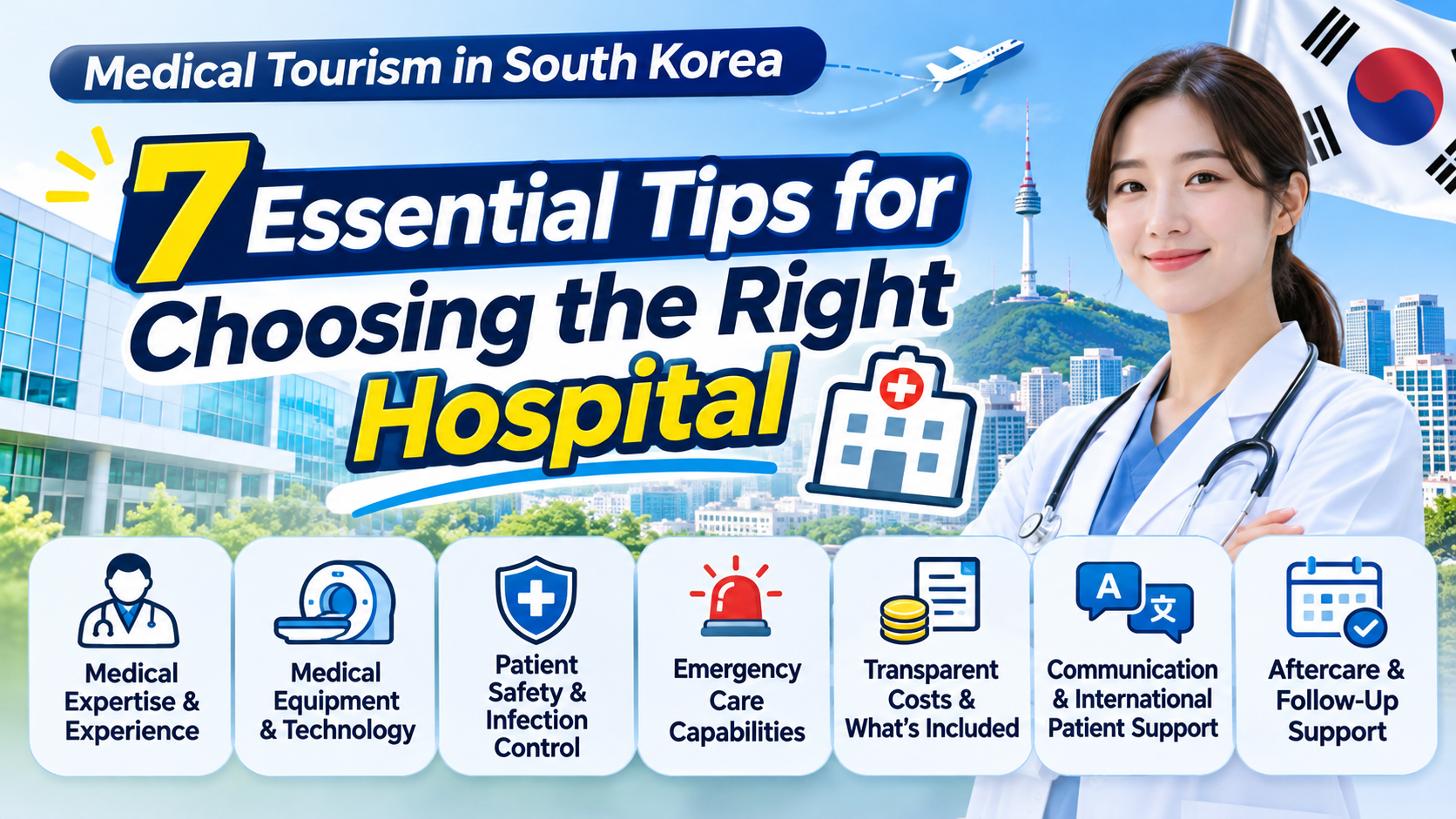
Are you considering traveling to South Korea for medical treatment?
South Korea has become a popular destination for international patients, offering advanced medical technology, experienced healthcare professionals, and a wide range of medical services.
From comprehensive health screenings and dermatology to plastic surgery, dental care, cancer treatment, and cardiovascular procedures, patients from around the world travel to South Korea for medical care.
However, not every hospital offers the same level of care, and a famous hospital is not necessarily the best choice for every patient.
Choosing a hospital abroad requires careful consideration, especially because your medical journey does not end when you return home.
Here are seven important factors to consider when choosing a hospital for medical tourism in South Korea.
1. Check the Qualifications and Experience of Medical Professionals
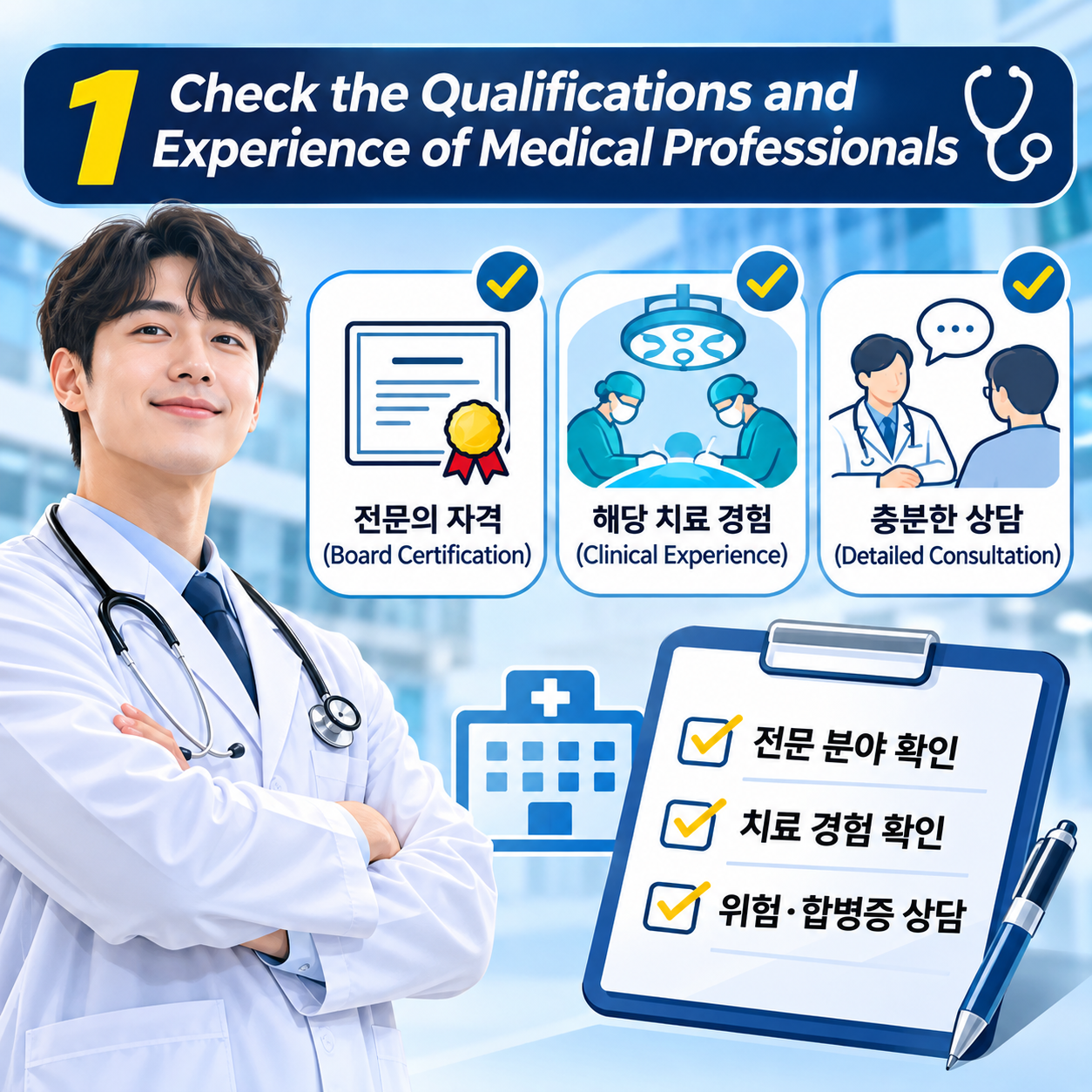
The expertise of your medical team is one of the most important factors in choosing a hospital.
Before making a decision, find out whether your doctor is a qualified specialist in the relevant medical field.
You should also ask about their experience performing the specific procedure or treatment you are considering.
A hospital’s reputation matters, but the qualifications and experience of the medical professionals directly responsible for your care are equally important.
2. Look Beyond the Hospital’s Reputation: Check Its Medical Equipment
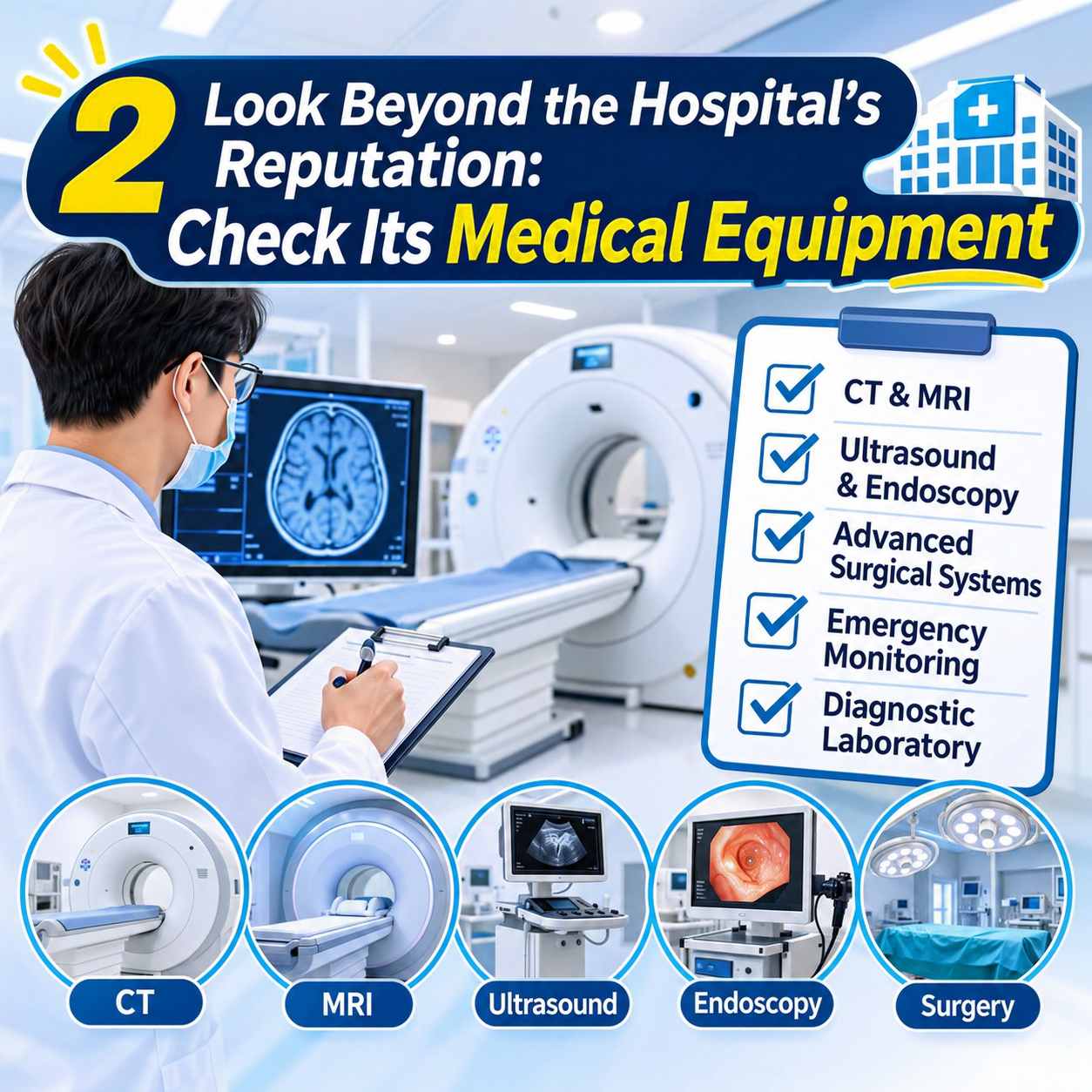
A hospital may have an impressive building and a strong reputation, but what about the medical equipment used for diagnosis and treatment?
Modern medical equipment can support accurate diagnosis, treatment planning, and patient monitoring.
Depending on your medical needs, consider asking about:
* CT and MRI scanners
* Ultrasound and endoscopy equipment
* Surgical and minimally invasive treatment systems
* Emergency monitoring and life-support equipment
* Diagnostic laboratory capabilities
However, newer equipment does not automatically guarantee better medical outcomes.
What matters is whether the hospital has appropriate technology and qualified professionals who know how to use it safely and effectively.
3. Evaluate Patient Safety and Infection Prevention Standards
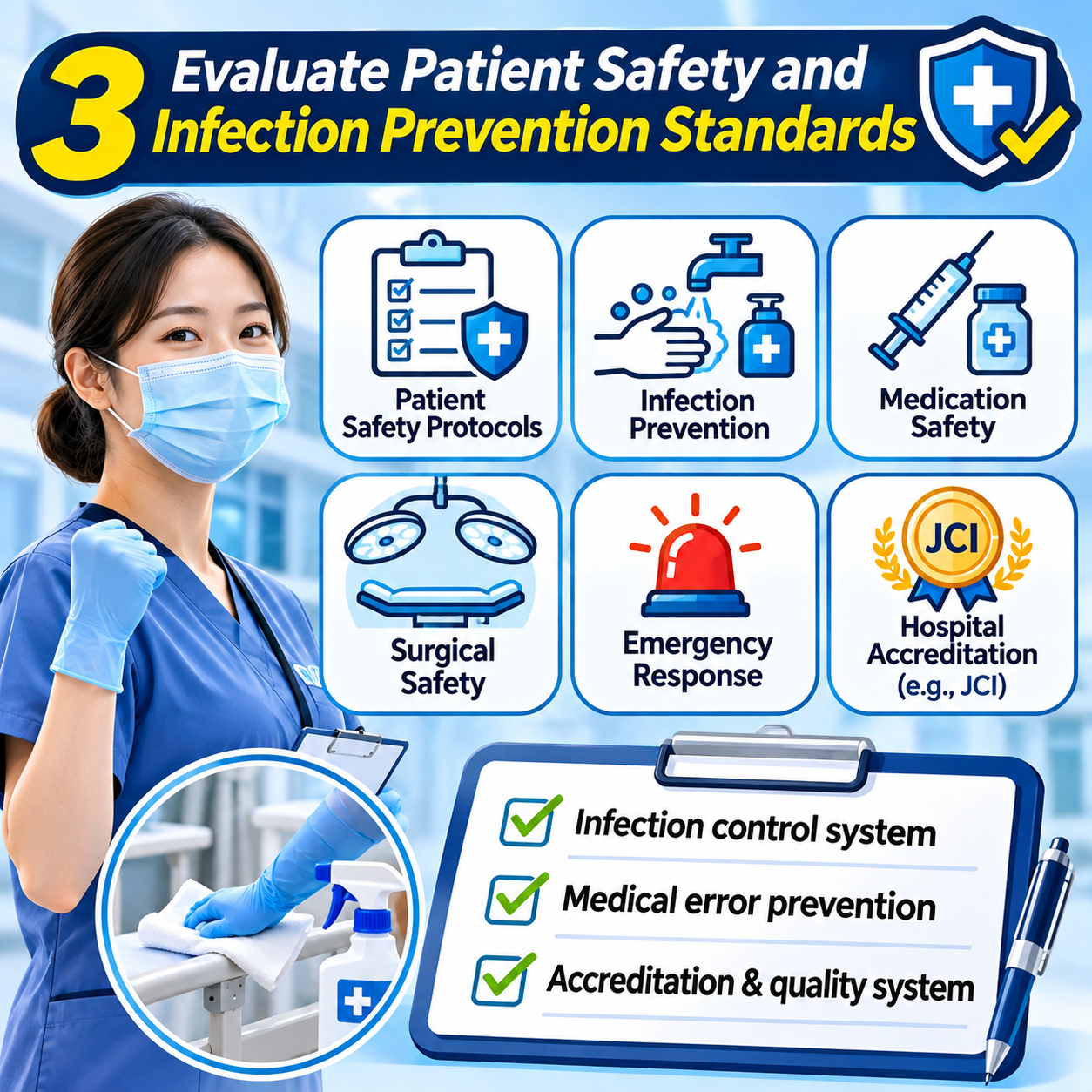
Patient safety should always be a priority.
Before choosing a hospital, ask how it prevents medical errors, healthcare-associated infections, and other avoidable complications.
You may want to check whether the hospital has established protocols for infection prevention, medication safety, surgical safety, and emergency response.
International accreditation, such as Joint Commission International (JCI), or relevant Korean healthcare accreditation may provide additional information about a hospital’s quality and safety systems.
However, accreditation alone does not guarantee a successful treatment outcome.
4. Check the Hospital’s Emergency Care Capabilities
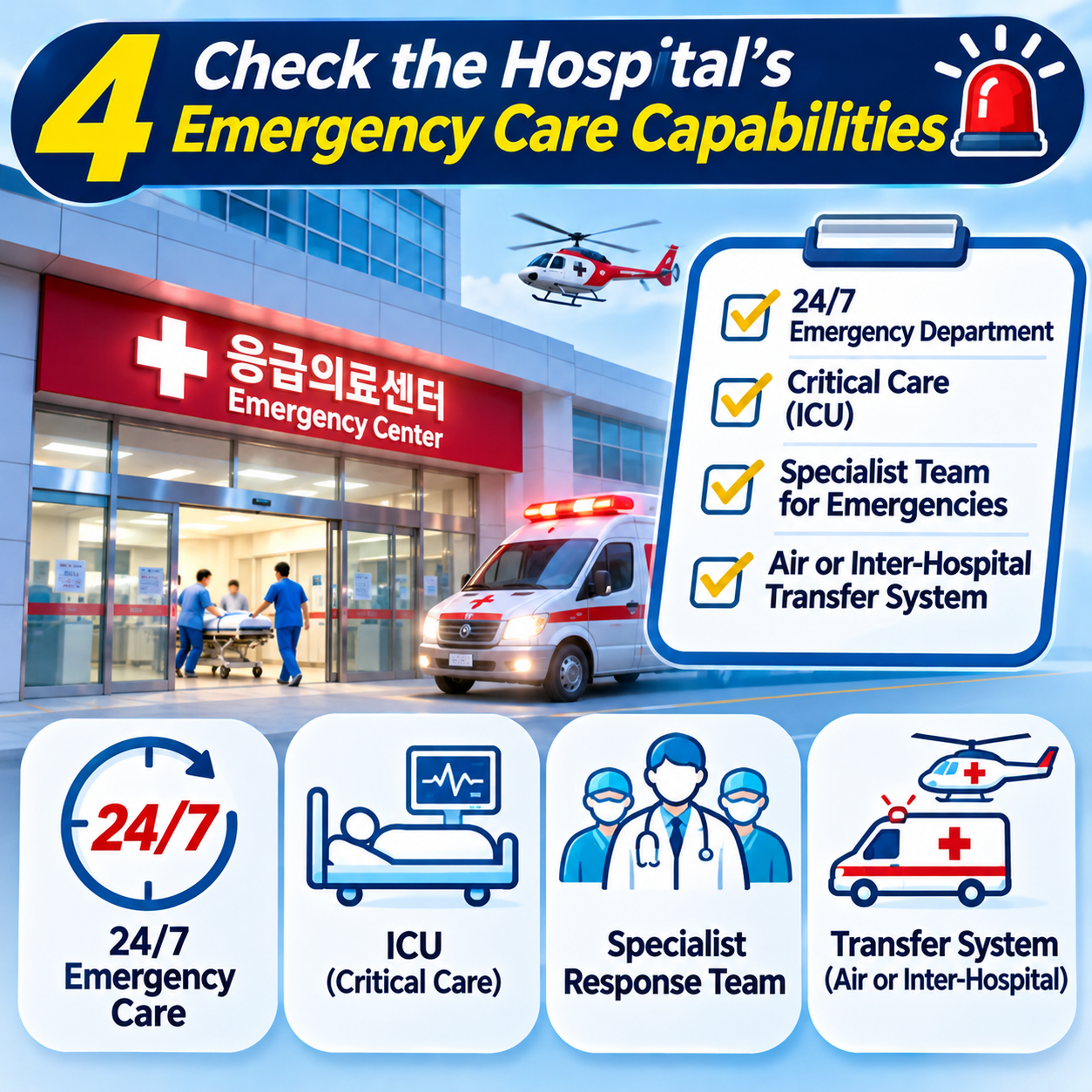
Medical complications can occur unexpectedly, even during routine procedures.
This is why emergency response capabilities are particularly important when choosing a hospital abroad.
Ask whether the hospital has an emergency department, intensive care facilities, and access to specialists who can respond to serious complications.
If the hospital does not provide these services directly, find out whether it has a formal transfer arrangement with a nearby emergency medical center.
This is especially important for patients undergoing surgery, procedures requiring anesthesia, or treatment for complex medical conditions.
5. Compare Treatment Costs and Understand What Is Included
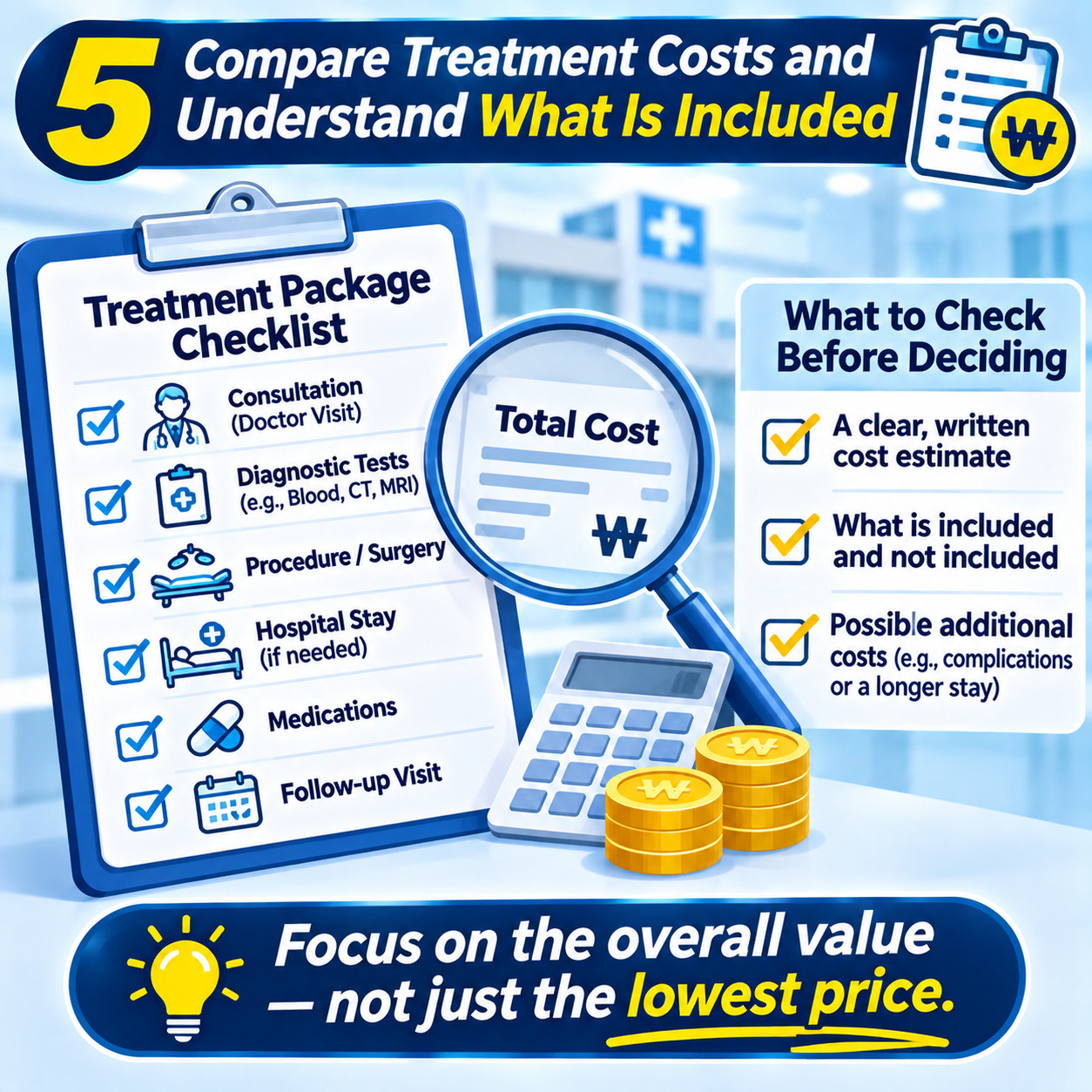
Medical tourism costs should be transparent.
Before traveling, request a written estimate that clearly explains what is included in the treatment package.
Some hospitals may charge separately for consultations, diagnostic tests, anesthesia, medications, hospitalization, or follow-up appointments.
It is also important to ask about additional expenses if complications occur or your hospital stay needs to be extended.
The lowest price does not necessarily represent the best value.
Focus on the overall quality, safety, and continuity of care rather than price alone.
6. Confirm Communication and International Patient Support
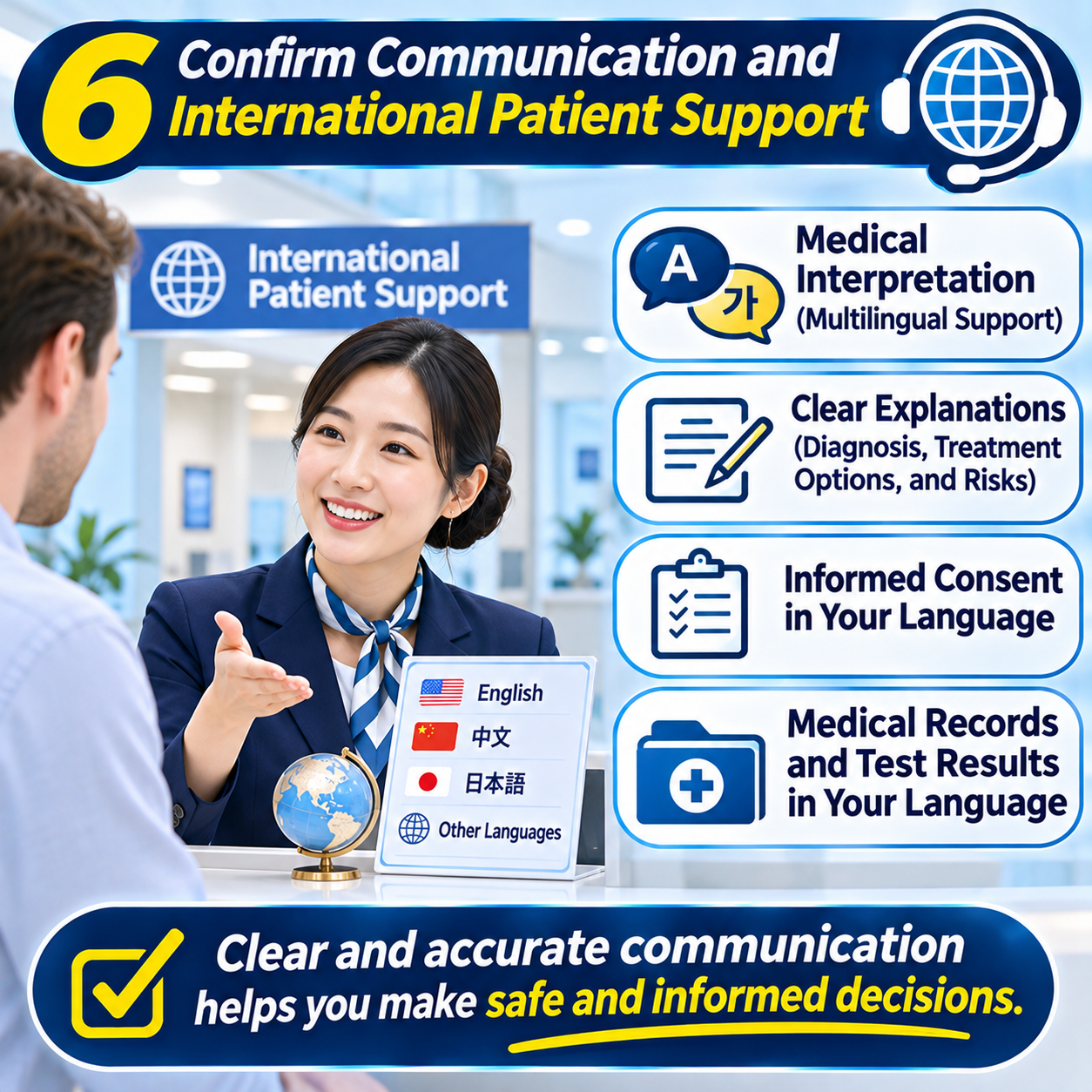
Clear communication is essential when receiving medical care in another country.
Language barriers can make it difficult to understand diagnoses, treatment options, potential risks, and discharge instructions.
Before selecting a hospital, check whether it provides professional medical interpretation or multilingual patient support.
You should also ask whether informed consent documents, treatment plans, and medical records are available in a language you understand.
Good communication helps patients make informed decisions and reduces the risk of misunderstandings during treatment.
7. Make Aftercare and Follow-Up Support a Top Priority
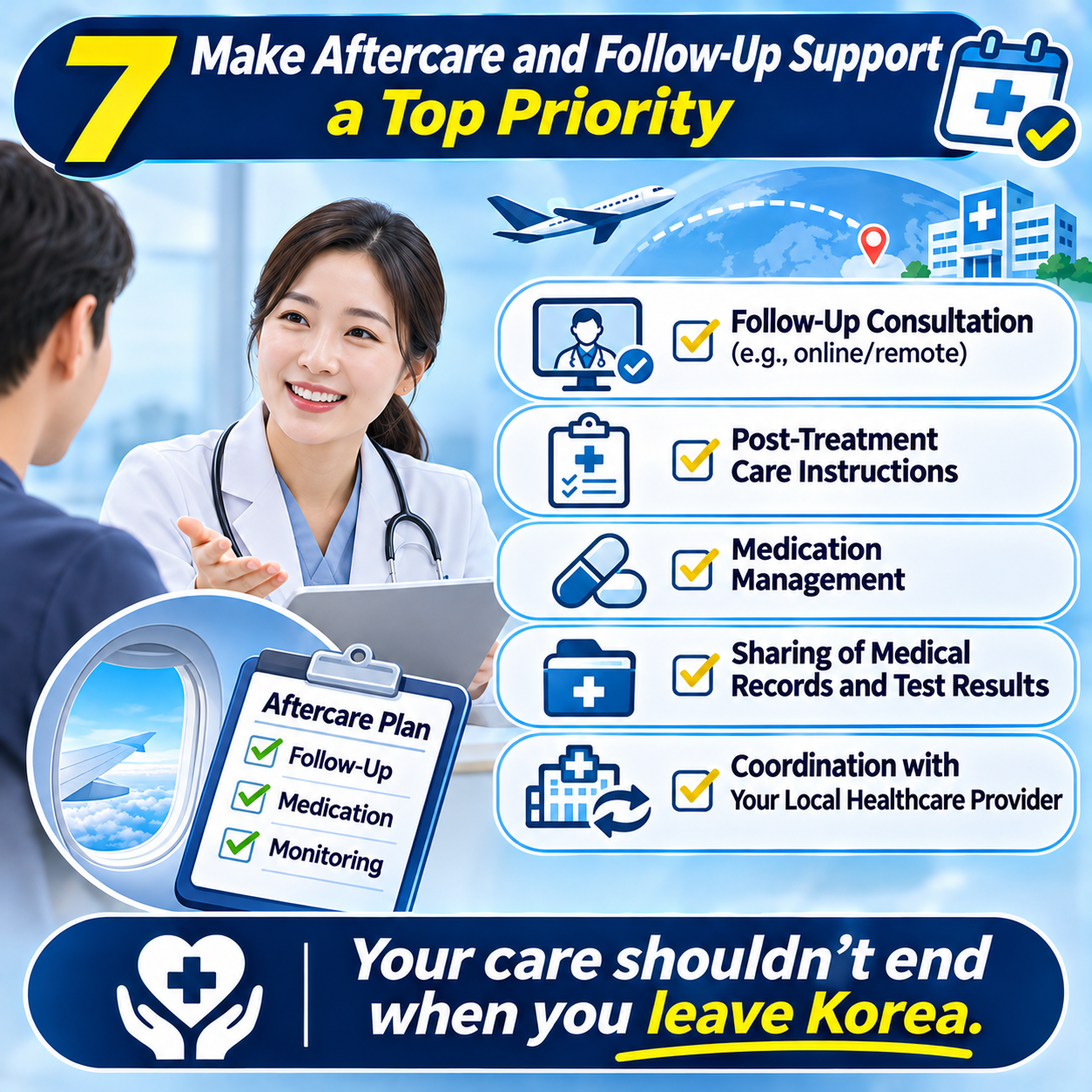
One of the most overlooked aspects of medical tourism is what happens after treatment.
Receiving medical care in South Korea may be only one part of your healthcare journey.
Once you return home, you may need follow-up examinations, medication adjustments, rehabilitation, or additional medical consultations.
Before choosing a hospital, ask these important questions:
* Can I contact my medical team after returning home?
* Does the hospital provide follow-up consultations for international patients?
* What should I do if complications or side effects develop?
* Can my medical records and test results be shared with my local healthcare provider?
* Does the hospital have a plan for coordinating care if additional treatment becomes necessary?
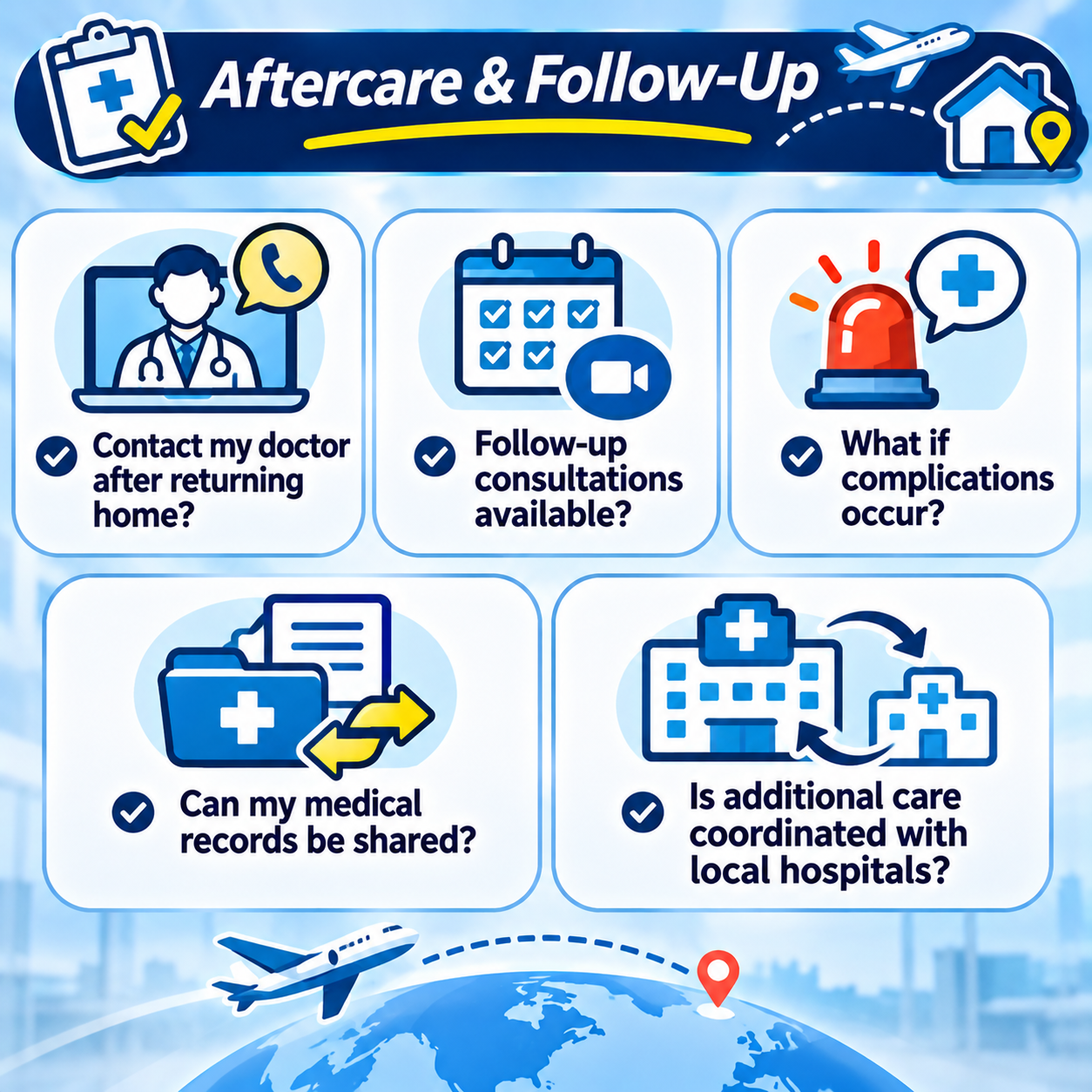
Some hospitals may offer remote follow-up consultations, depending on applicable laws and hospital policies.
However, remote consultations cannot replace emergency medical care or necessary in-person examinations.
If serious complications occur after returning home, you should seek immediate medical attention from a local healthcare provider.
A reliable hospital should clearly explain its follow-up procedures and limitations before treatment begins.
Why Aftercare Matters So Much in Medical Tourism
South Korea offers many advanced healthcare services, but successful medical tourism involves more than receiving a procedure or completing a health screening.
It also involves ensuring that patients can receive appropriate care after leaving the country.
For example, a patient undergoing surgery may require wound assessments, medication management, or monitoring for postoperative complications.
A patient receiving cancer treatment may need long-term follow-up and coordination with an oncologist in their home country.
Even patients visiting South Korea for comprehensive health screenings should understand how abnormal findings will be communicated and what additional examinations may be necessary.
Before traveling, consider discussing your medical plans with a healthcare professional in your home country.
This can help you prepare for appropriate follow-up care and avoid unnecessary delays if further treatment is required.
Have Questions About Medical Tourism in South Korea?
If you are considering medical treatment in South Korea, I hope these seven tips help you make a more informed decision.
Do not choose a hospital based solely on its reputation, appearance, or advertising.
Take time to evaluate the medical professionals, available equipment, patient safety systems, emergency capabilities, treatment costs, communication services, and aftercare arrangements.
If you have questions about medical tourism or choosing a hospital in South Korea, feel free to leave a comment.
I will do my best to research your questions and share useful information based on reliable sources.
Please remember that the information provided here is intended for general educational purposes only and should not replace personalized medical advice.
Your final decision about a hospital or medical treatment should be made carefully, in consultation with qualified healthcare professionals.
Thank you for reading!
⸻
Useful Official Resources
* Medical Korea — Information for international patients considering medical services in South Korea.
* Korea Institute for Healthcare Accreditation — Information about healthcare accreditation and patient safety standards in South Korea.
* Joint Commission International — International healthcare accreditation information.
* World Health Organization – Patient Safety — Global information and recommendations on patient safety.
Hashtags
#MedicalTourism #MedicalTourismKorea #SouthKoreaMedicalTourism #HealthcareInKorea #KoreanHospitals #MedicalTravel #MedicalKorea #PatientSafety #MedicalTechnology #HealthcareTravel #HospitalSelection #MedicalTourismTips #InternationalPatients #Aftercare #HealthcareInSouthKorea